Rough-in decisions
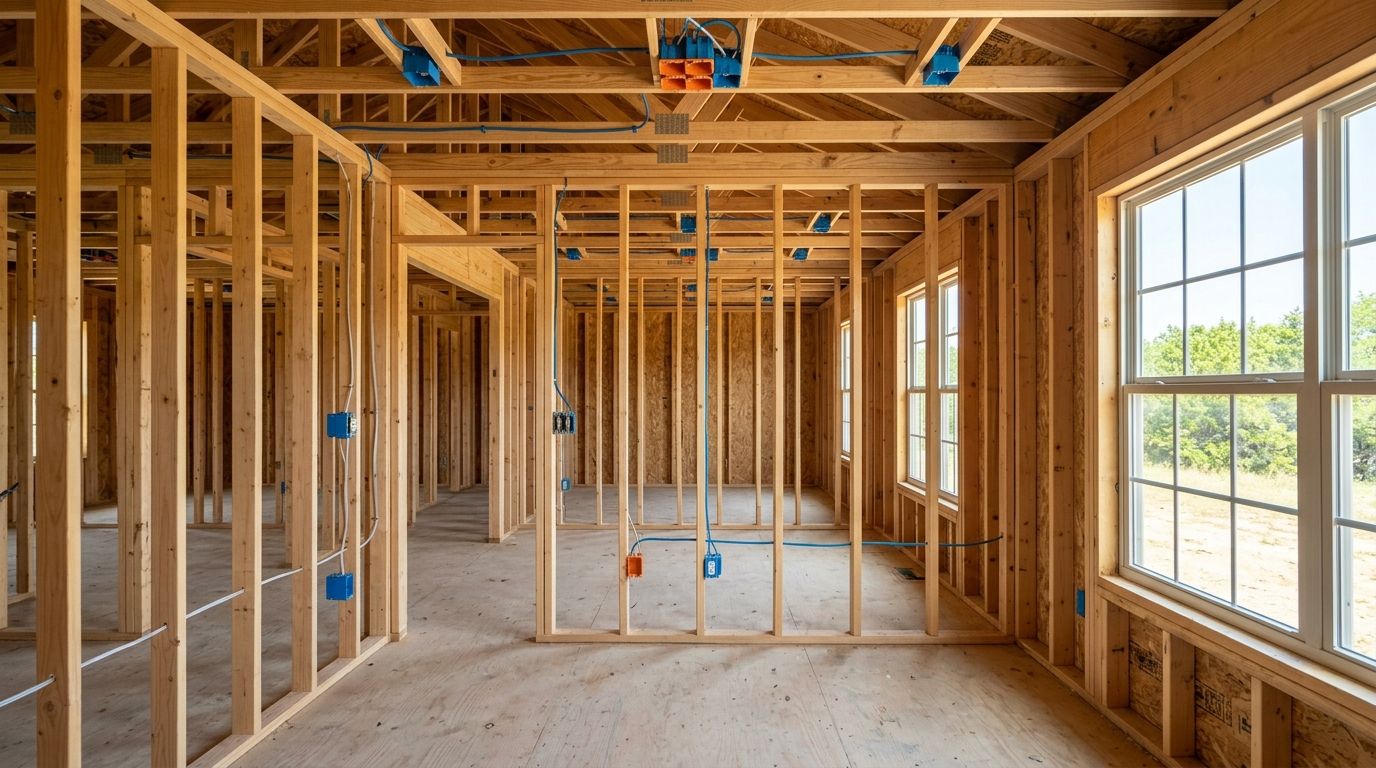
Panel location, homeruns, switch boxes, appliance circuits, island outlets, bath protection, exterior receptacles, and low-voltage pathways are easiest to solve before drywall.

Rough-in, trim-out, service planning, and remodel wiring for homeowners, builders, and GCs.
Licensed Texas electrician · TECL #33987
Project scope
Construction and remodel electrical work should be planned early so panels, branch circuits, fixtures, appliance loads, and future-ready conduit are coordinated before finishes are installed.
Construction and remodel electrical work is most successful when it is planned before the walls close and before finish selections lock the layout. The electrical scope affects panel location, service capacity, appliance circuits, lighting zones, switch placement, data pathways, exterior power, and future equipment that may not be installed on day one.
Bechtold Electric supports San Antonio homeowners, remodelers, builders, and general contractors with electrical work that follows the project sequence. The goal is to clarify the scope early, coordinate rough-in and trim-out around other trades, and reduce surprises during inspection, cabinet installation, fixture delivery, and final punch.
who we work with
Support homeowners managing builds, general contractors, remodelers, architects, and designers who need electrical scope clarity.
Different project roles need different information. Homeowners often need help translating goals into a scope, while builders and GCs need schedule, inspection, and change-order clarity.
Designers and architects benefit when fixture placement, switching, dimming, appliance needs, and exterior lighting are reviewed before drawings become field decisions.
Get a quote ->rough in
Plan and install branch circuits, panel placement, service entrance, appliance circuits, low-voltage pathways, and EV-ready conduit.
Rough-in work sets the electrical backbone: boxes, wiring, circuits, panel paths, dedicated appliance loads, exterior receptacles, bath and kitchen protection, and future equipment pathways.
This is the stage where unclear lighting layouts, missing appliance specs, or late cabinet changes can create expensive rework, so decisions should be documented before the inspection path begins.
Get a quote ->trim out
Install fixtures, switches, outlets, smart devices, and final electrical details after walls, cabinets, and finishes are ready.
Trim-out turns the rough wiring into the finished electrical experience. Switches, dimmers, outlets, fans, chandeliers, recessed trims, under-cabinet lighting, and smart devices all need to match the final finish plan.
Fixture delays, missing parts, owner-supplied devices, and cabinet or tile changes can affect the sequence, so trim work should be scheduled with the actual material status in mind.
Get a quote ->remodel specialties
Handle kitchen rewires, bath GFCI/AFCI updates, garage conversions, outdoor additions, ADUs, and service upgrades tied to remodel scope.
Kitchen remodels often uncover old circuits that no longer match appliance demand, island layouts, disposal needs, lighting zones, or current protection requirements.
Garage conversions, additions, ADUs, and outdoor rooms may create new heating, cooling, cooking, laundry, or workshop loads that should be reviewed against the panel before the build moves too far.
Get a quote ->Send photos, panel information, preferred timing, and the address if you already have them.
Process
Step 1: Plan review or site walk
Step 2: Itemized scope and schedule
Step 3: Rough-in aligned to project milestones
Step 4: Trim, test, and inspection walk
Planning notes
Every job starts with the visible request, then gets checked against access, load, code requirements, utility coordination, and long-term use.
Panel location, homeruns, switch boxes, appliance circuits, island outlets, bath protection, exterior receptacles, and low-voltage pathways are easiest to solve before drywall.
EV charging, outdoor kitchens, workshops, generators, solar pathways, and additional HVAC equipment are easier to plan during construction, even if the final equipment is installed later.
Electrical milestones should align with framing, plumbing, HVAC, inspections, drywall, cabinets, tile, paint, and final fixture delivery so crews are not working around avoidable conflicts.
Service area
Bechtold Electric serves San Antonio, Olmos Park, Terrell Hills, Alamo Heights, Shavano Park, Hollywood Park, Helotes, Fair Oaks Ranch, Garden Ridge, Timberwood Park, Scenic Oaks, Castle Hills, and nearby central Texas communities.
FAQ
Permit responsibility depends on the project structure and jurisdiction. Electrical permit needs should be clarified before work starts.
Yes. Remodel and construction electrical work should be coordinated around framing, rough inspections, drywall, cabinets, and final trim.
Future conduit and panel planning can be more efficient during construction, even if the equipment is not installed immediately.
Kitchen remodels often need dedicated appliance circuits, GFCI/AFCI updates, lighting changes, disposal circuits, and island or countertop receptacles.
Yes, when the remodel increases load or exposes outdated service equipment. Panel and service planning should happen early.
Residential upgrades, EV-ready garages, and commercial build-outs often share the same planning questions.
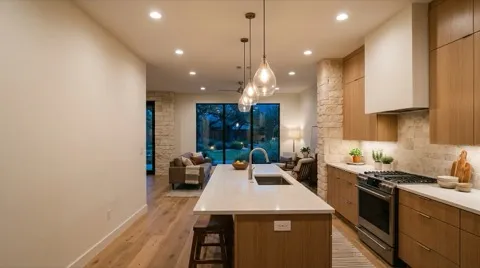
Home electrical
Electrical repairs, upgrades, lighting, panels, and remodel support for San Antonio homes.
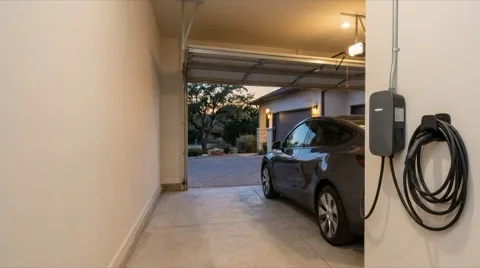
EV charging
Level 2 charger circuits, wall connector installs, and panel-readiness checks for home charging.
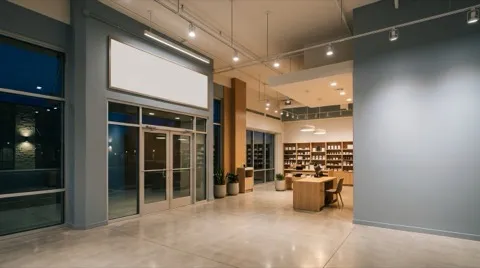
Commercial electrical
Electrical service for property managers, tenants, business owners, GCs, and build-out crews.
Call Bechtold Electric or send the details through the contact form.